
Card Game KKKJILI – Dominate Psychological Table Battles
Card game tournaments demand intense psychological warfare combined with rigorous mathematical probability calculations continuously. Outsmarting seasoned opponents requires reading subtle behavioral shifts while maintaining absolute emotional neutrality under pressure. This strategic manual from KKKJILI trains ambitious competitors to recognize bluffing patterns, aiming to capture massive pots.
Overview of the card game section at KKKJILI
A strong game section starts with order rather than decoration. Each table should show seat status, active round flow, visible score areas, plus clear prompts before any decision closes. When these signals remain stable, players can read the room calmly instead of reacting to sudden movement across the screen.
Table structure also affects how quickly someone understands the match. A good layout separates rule notes, timer cues, chip areas, plus result panels so each part has a clear role. Visual effects may support mood, but they should never cover confirmed cards, balance changes, or final score details.
The card game section works best when familiar rules meet careful interface control. Players often compare speed, table limit, room size, plus match purpose before settling into a session. This balanced review helps separate casual rounds from serious tables where timing, memory, plus calculated restraint matter more.

Most played card game titles at KKKJILI
Popular table titles usually grow from simple rules, quick recognition, plus enough variation to keep each round active. A useful card game list should make differences visible before entry, especially when pace, scoring style, or decision window changes. Clear grouping also helps players compare rooms without relying on flashy labels alone.
- Baccarat: This title suits players who prefer clean round structure, limited choice points, plus fast result reading after each deal.
- Blackjack: This option rewards careful number tracking because every hit, stand, or double decision changes the round direction clearly.
- Poker: This format supports deeper reading because position, card strength, table behavior, plus patience shape every important move.
- Dragon tiger: This title moves quickly through direct comparison, so players should watch limits, timing, plus result display carefully.
- Tongits: This room favors memory, card counting, plus discard awareness because small choices can shift pressure across several turns.
- Teen patti: This format blends simple card ranking with social pressure, making calm review important before following table rhythm.
- Lucky nine: This title keeps scoring compact, so players can follow card totals, turn pace, plus settlement checks with less confusion.

Tournament modes in the card game section
Tournament structure gives table play a clearer sense of movement across separate competitive layers. Each stage changes pressure differently, so pace control becomes more important than surface excitement.
Regional qualifiers for card game seats
Regional qualifiers should feel organized from the first waiting screen. Entry labels, bracket timing, seat status, plus table assignment need clear placement so players can track where they belong. A clean setup lowers confusion when many rooms start close together or when late confirmations move quickly.
Early rounds often reward steady decision making more than dramatic action. Players must check table pace, score movement, plus remaining chances without forcing every hand into high pressure. Short mistakes can become costly when qualifier windows are compact, so rhythm control has real value.
A fair qualifier also depends on visible progress records. Standings should update in plain wording after each stage, with no hidden delay between result confirmation plus next placement. When the structure is readable, regional competition feels serious without becoming messy or overly tense.
View more: Lottery KKKJILI – Sharp Draw Rhythm For Number Play
Intense semifinals for stronger players
Semifinals raise pressure because weak habits become easier to punish. Every table tends to move with sharper timing, tighter score gaps, plus fewer chances to recover after a poor choice. Players need discipline because one rushed round can damage a position built across earlier stages.
A semifinal card game room should keep important information close to the main action. Score order, remaining rounds, timer warnings, plus table notices should appear without forcing constant screen switching. This arrangement supports concentration when the pace becomes faster and every confirmed result matters.
Strong players usually treat this stage as a test of balance. Aggressive choices may help in certain positions, yet patience can protect a narrow lead when opponents overreach. The best structure makes both styles readable through clear records instead of turning the match into visual noise.
Final match for the champion
The final match should create tension through clean competition, not through confusing presentation. A strong table keeps the champion race visible through score updates, turn markers, confirmed results, plus simple match status. Spectator effects can add atmosphere, but the core decision space must stay quiet enough for careful play.
In a final card game setting, small details carry heavier weight. Players often review previous tendencies, table tempo, plus risk range before choosing a safer or sharper line. This stage rewards composure because the strongest position can disappear when excitement replaces clear judgment.
Endgame handling needs extra care because the final result defines the whole tournament. Settlement records, ranking display, plus prize confirmation should appear in direct order after the last round closes. A clean finish gives the champion title proper weight without relying on exaggerated wording or forced celebration.

Gold cup rewards for skilled players
Prize design should match the tournament structure rather than distract from it. A gold cup can mark achievement clearly when eligibility, ranking rules, plus settlement timing are stated before competition starts. Players should understand what counts, what fails, plus how final placement connects with reward review.
Reward pressure can change table behavior during late rounds. In a card game tournament, some players protect position while others chase a higher rank with riskier decisions. Clear prize tiers help reduce confusion because everyone can see whether a move serves survival, progress, or final placement.
A reliable reward page should avoid vague claims. Cup status, payment route, review period, plus possible verification steps need direct wording that fits the competition record. When prize handling follows the same clarity as the tables, the whole tournament feels more credible from entry to final confirmation.
Conclusion
Executing perfectly timed raises completely shatters opponent confidence during highly tense endgame scenarios constantly. Profitable card game participation relies entirely on superior intellectual discipline rather than mere blind statistical luck. Join the competitive tables at KKKJILI right now to prove your ultimate tactical superiority completely.
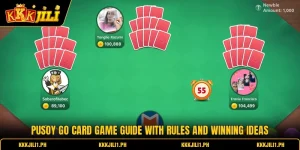
Pusoy Go Card Game Guide With Rules And Winning Ideas
Pusoy Go remains one of the most popular card game titles among mobile users who [...]
Jun

Tongits Star Card Game Features And Player Benefits
Tongits Star stands among the most recognized card game titles for mobile users seeking strategic [...]
Jun

Poker Arena Card Game Guide For Competitive Players
Poker Arena is a card game that attracts users through strategic gameplay, skill-based decisions. Many [...]
Jun

Andar Bahar Card Game Guide For Smart Casino Players
Andar Bahar remains one of the most recognizable titles in the card game category because [...]
Jun